

Plant-Dyed Silk vs Synthetic Dye | Natural Jewelry Eco Guide | Tied Intention
The Color of Nature
Hold a plant-dyed silk cord up to the light, and you will see something no synthetic dye can replicate. Variation. Depth. The faint memory of the leaf or root that gave it color. One batch of indigo-dyed silk carries the cool depth of a forest stream. Another, dyed with madder root, holds the warmth of autumn earth. They are never identical. They were never meant to be.
This is the difference between nature and industry. And it matters more than most people realize.
What Is Plant-Dyed Silk?
Plant-dyeing is not new. It is older than recorded history. For thousands of years, people extracted color from the world around them — indigofera leaves for blues, walnut husks for browns, turmeric roots for golds, cochineal insects for deep reds. The process was slow. It required patience, water, sun, and time. But the result was color that lived within the fiber rather than sitting on top of it.
Plant-dyed silk begins with natural silk threads — protein fibers produced by silkworms feeding on mulberry leaves. These threads are then submerged in dye baths made from boiled plants, minerals, and natural mordants. The color bonds with the silk at a molecular level. It does not crack, peel, or bleed the way surface-level synthetic dyes do.
Most importantly, when the process is complete, the water can return to the earth without poisoning it.
What Are Synthetic Dyes?
Synthetic dyes were invented in 1856, and they changed everything. Suddenly, color was cheap, fast, and unlimited. Factories could produce millions of yards of fabric in any shade imaginable. The fashion industry exploded.
But there was a cost.
Most synthetic dyes are derived from petrochemicals. They contain heavy metals, formaldehyde, and toxic compounds that do not break down in water. The wastewater from textile dyeing is one of the largest sources of water pollution on earth. In some manufacturing regions, rivers run purple, red, and black. The water is undrinkable. The soil is poisoned. The people who live nearby suffer elevated rates of cancer and respiratory disease.
And the dyes themselves? They sit on the surface of the fiber. They fade unevenly in sunlight. They can cause skin irritation, allergic reactions, and long-term health concerns. The bracelet you wear against your skin eight hours a day — if it is synthetically dyed, your body is absorbing what the river absorbed first.
Why We Choose Plant Dyes
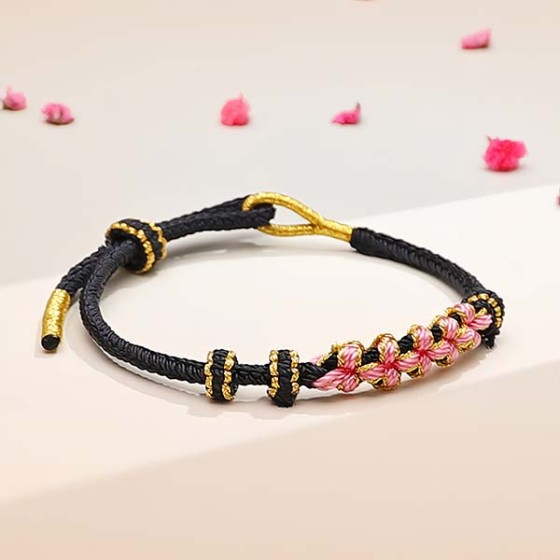
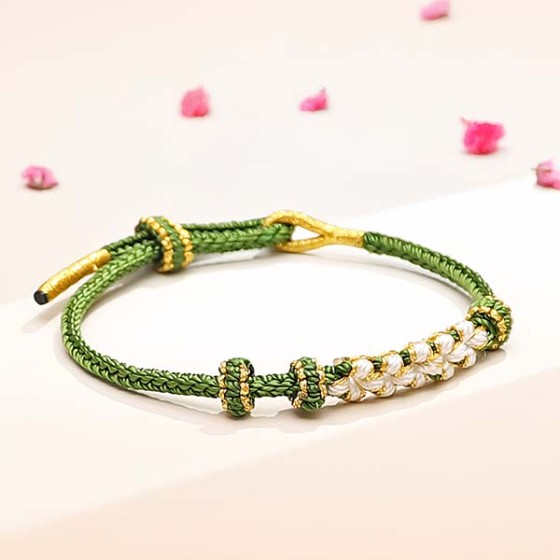
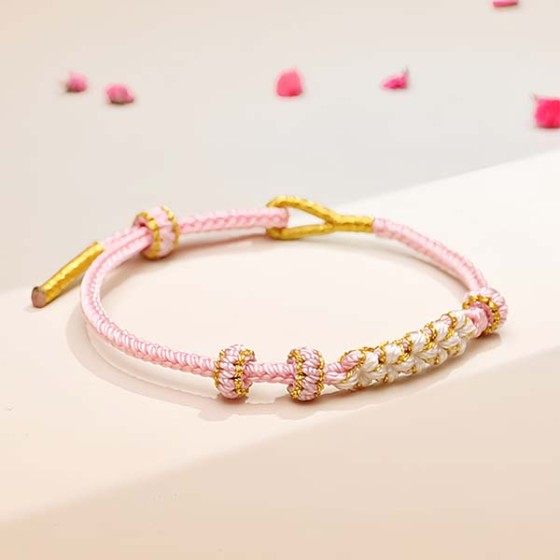
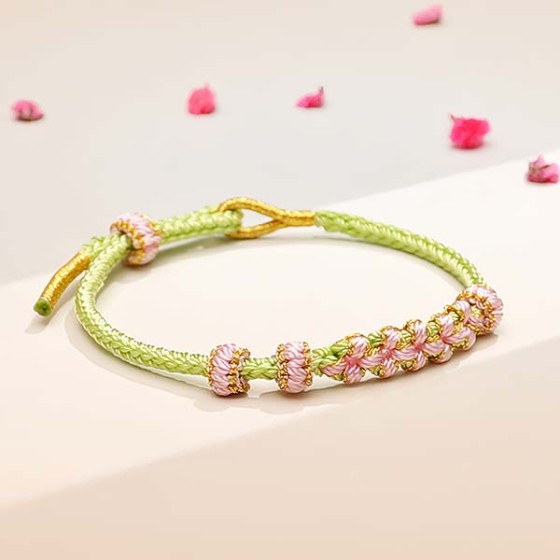
At Tied Intention, we use plant-dyed silk for every cord in our collection. This is not a marketing choice. It is a moral one.
1. Safety
Plant dyes bond naturally with silk protein. They do not contain heavy metals or toxic chemicals. When you wear our bracelets against your skin, you are touching something that came from the earth and can return to it safely.
2. Uniqueness
No two plant-dyed cords are exactly the same. Soil conditions, water mineral content, and harvest timing all affect the final color. Your bracelet carries the specific fingerprint of the season and place where its dye was grown. This is not a flaw. It is a signature.
3. Sustainability
Plant dyeing uses less water than industrial dyeing, and the wastewater is biodegradable. The plants themselves are renewable. The mordants we use are natural minerals. When the process is finished, the earth is not poorer for it.
4. Depth of Color
Synthetic dyes are flat. Plant dyes have dimension. Hold a plant-dyed cord next to a synthetic one, and the difference is immediate. One looks printed. The other looks grown.
The Trade-Offs
Plant dyeing is not perfect. It requires more time. The colors are less predictable. The cost is higher. Some shades — particularly bright neons and certain purples — are difficult or impossible to achieve with plants alone.
We do not see these as problems. We see them as honesty.
Nature does not promise perfection. It promises truth. A plant-dyed cord will fade slightly over time, just as leaves fade in autumn. It will soften with wear, just as river stones soften in current. These changes are not deterioration. They are the material continuing its natural life, alongside yours.
How to Care for Plant-Dyed Silk
Avoid prolonged direct sunlight, which can accelerate natural fading
Keep away from harsh chemicals, including chlorine and strong detergents
If cleaning is necessary, use cold water and mild, natural soap
Allow to air dry naturally
Treat it as you would treat anything that came from the earth — with respect, and with the understanding that nothing natural lasts forever, but everything natural returns gracefully.
Wear Your Intention. Let the color on your wrist remind you where it came from.